In Tampa's humid climate, your roof plays a crucial role in protecting your home from the elements. However, without proper ventilation, this protective barrier can become less effective, leading to a host of issues like mold growth, structural damage, and high energy bills. This is where proper roof ventilation comes into play, serving as a critical component for any Tampa roof replacement service. By ensuring adequate airflow, we can extend the lifespan of your roof, maintain indoor comfort, and prevent costly repairs down the line. This article examines the specifics, offering insights on common problems, best practices, and the essential role of professional contractors in implementing effective ventilation solutions for Tampa homes.
- Understanding Tampa's Humidity: A Roof's Challenge
- The Role of Ventilation in Roof System Performance
- Common Roof Ventilation Issues in Humid Environments
- Tampa Roof Replacement: When Ventilation Fails
- Effective Ventilation Solutions for Tampa Homes
- Choosing Ventilation Systems: Materials & Designs
- Installation Best Practices for Optimal Ventilation
- Long-Term Maintenance: Ensuring Continuous Roof Ventilation
Understanding Tampa's Humidity: A Roof's Challenge

Tampa's unique climate presents a significant challenge for any roofing system. With average humidity levels exceeding 70% throughout most of the year, moisture buildup on rooftops becomes a pressing issue. This high humidity, coupled with the region's frequent rainfall, can lead to severe consequences for homes and businesses if proper ventilation is not in place. When a roof lacks adequate ventilation, it becomes a breeding ground for mold, mildew, and other harmful organisms, which can infiltrate and damage structures, posing health risks to occupants.
The problem is exacerbated after severe weather events, such as hurricanes, when winds and heavy rainfall can cause significant damage. In these instances, emergency roof repair Tampa FL becomes crucial. Proper ventilation can help prevent post-hurricane leaks and water damage by promoting the escape of moist air, reducing the risk of extensive and costly repairs. A well-ventilated roof may prevent the formation of ice dams during cold seasons, where trapped moisture can lead to leaks and structural damage.
Tampa roof replacement specialists emphasize the importance of installing ventilation systems that meet local building codes and post-hurricane guidelines. This includes strategically placing vents, such as ridge vents or soffit vents, to facilitate the flow of air throughout the roof cavity. Regular inspections and maintenance are also vital to ensure ventilation systems remain functional. By addressing these aspects, Tampa homeowners and business owners can protect their investments, ensuring their roofs remain in top condition, even in the face of the region's challenging humidity levels.
The Role of Ventilation in Roof System Performance
The role of proper ventilation in a roof system's performance cannot be overstated, especially in Tampa's humid climate. In this region, where high humidity levels contribute to faster wood decay and mold growth, a well-ventilated roof is crucial for extending the lifespan of your roofing materials and ensuring optimal building performance. When a roof is properly ventilated, it allows for a more even distribution of temperature, reducing the risk of heat-related damage to the underlayment and shingles. This is particularly important in Tampa, where extreme temperatures and high humidity can accelerate the degradation of roofing materials.
A comprehensive Tampa roof inspection service should always assess ventilation efficiency as part of its routine maintenance checks. Common leak sources often include inadequate or blocked ventilation, which can lead to serious water damage and structural problems over time. Inadequate venting can cause the underlayment to become soaked with moisture, leading to the growth of mold and the premature failure of shingles. Professional Tampa roof repair services not only fix leaks but also ensure proper ventilation to prevent future issues. Regular inspections and timely repairs are key to maintaining a robust roof system, as they can help identify and address ventilation problems before they escalate.
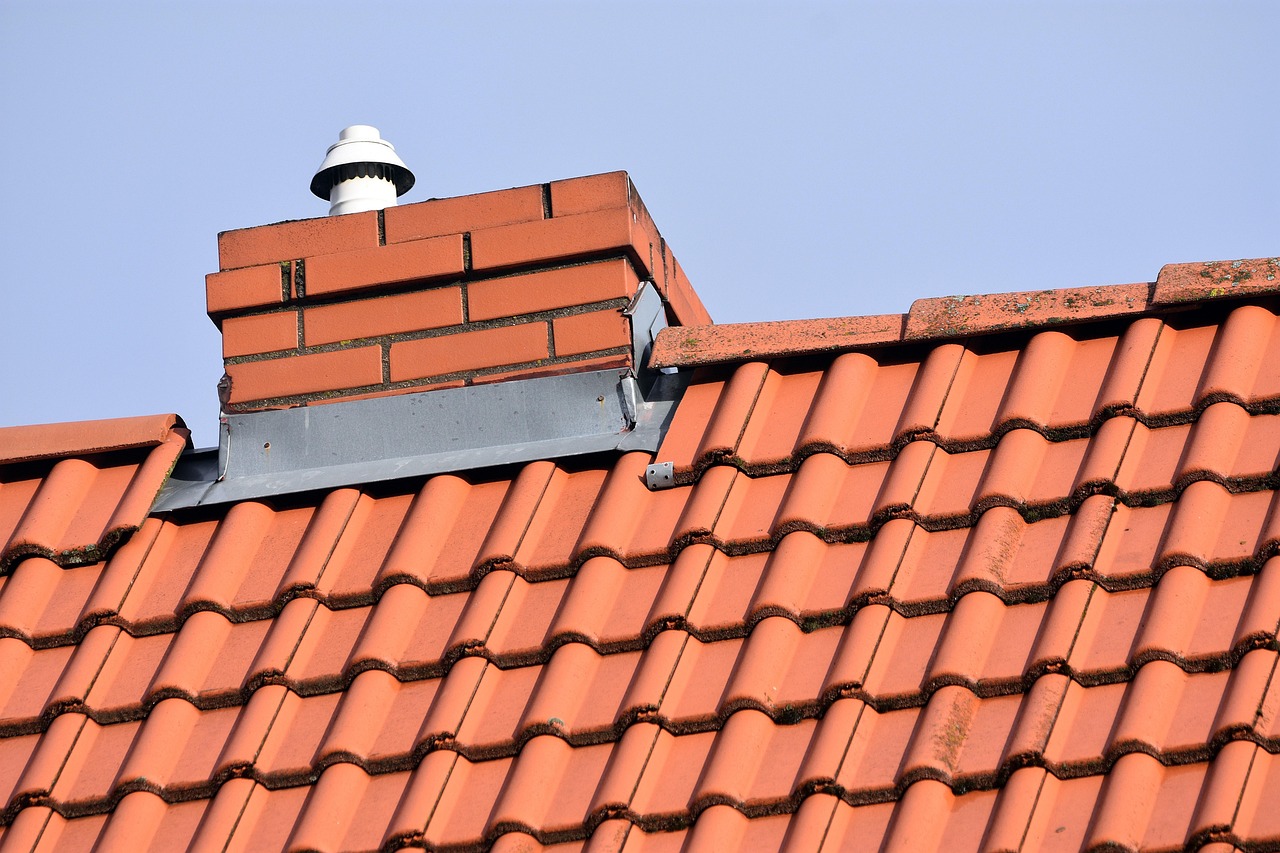
To ensure optimal performance, consider implementing a few ventilation strategies. First, ensure that there is adequate ventilation at the ridge and soffit areas. This can be achieved by installing ridge vents, which allow air to flow through the roof cavity, or soffit vents, which provide air intake at the base of the roof. Checking and replacing any missing or damaged ventilation materials is essential. Proper ventilation not only enhances the structural integrity of your roof but also contributes to energy efficiency by reducing the load on cooling systems. When considering a Tampa roof replacement, proper ventilation should be a top priority to ensure a durable and efficient roofing system.
Common Roof Ventilation Issues in Humid Environments

In Tampa's humid climate, proper roof ventilation is not just a luxury, but a necessity. Common issues often arise from the unique challenges posed by the environment, such as mold growth, mildew, and excessive moisture buildup. These problems can lead to structural damage over time and significantly increase the tampa roof replacement cost estimates.
One of the primary causes of these issues is inadequate ventilation at the roof's ridge and valleys. In humid conditions, hot air gets trapped inside the attic, leading to increased moisture levels. This not only fosters the growth of harmful fungi but also puts added stress on the roofing materials. To mitigate these problems, Tampa roofing trends and styles often include more sophisticated ventilation systems, such as ridge vents and dynamic exhaust fans. Regular inspections and maintenance are key to identifying and addressing these issues early, preventing costly tampa roof replacement projects.
How to fix a leaking roof in Tampa starts with understanding these common ventilation problems. Homeowners should look for signs like discolored or peeling paint, mold growth, or elevated humidity levels. If left unaddressed, these issues can escalate, leading to water damage and structural compromise. Regular maintenance, including cleaning gutters and checking vents, can go a long way in preventing these issues. By prioritizing proper roof ventilation, Tampa property owners can extend the lifespan of their roofs and avoid the financial burden of frequent tampa roof replacements.
Tampa Roof Replacement: When Ventilation Fails
In Tampa's humid climate, a roof's role extends beyond simple protection. Proper ventilation is crucial for maintaining the structural integrity of roofs and preventing a host of issues. When ventilation fails, especially in the face of intense storms like hurricanes, the consequences can be severe. Inadequate ventilation can lead to excessive moisture buildup, causing common leak sources such as damaged or poorly fitted flashing and sagging shingles. This is particularly problematic in Tampa, where roofing trends and styles often prioritize aesthetics over adequate airflow.
In the aftermath of a hurricane, Tampa roof replacement becomes a critical service. The post-hurricane guidelines emphasize the importance of a comprehensive roof inspection, which includes assessing ventilation systems. A thorough inspection can identify weak spots and potential entry points for water, helping to prevent future damage. It's a proactive approach that aligns with the local building codes and insurance claims, ensuring that Tampa properties are protected against the region's challenging climate.
When addressing Tampa roof replacement, the process often involves not just repairing but also learning from failures. Regular inspections and maintenance, coupled with expert knowledge of local roofing trends and styles, can extend the life of a roof. Understanding the region's specific challenges allows for more durable and sustainable roofing solutions, with warranties that reflect the area's unique conditions. This ensures that Tampa residents and businesses are protected against the elements, providing peace of mind in an environment where proper ventilation is non-negotiable.
Effective Ventilation Solutions for Tampa Homes

In Tampa's humid climate, proper roof ventilation is not just a luxury, but a necessity. Effective ventilation solutions play a crucial role in maintaining the integrity and longevity of your home's roofing system. The primary challenge is to manage moisture buildup, which can lead to a host of issues, from mold growth to structural damage. According to the Certified Tampa Roofers Association, many Tampa roof replacement installations face similar climate-related challenges, emphasizing the need for robust ventilation strategies.
One of the most effective ways to address this problem is through the strategic placement of vents. These allow hot air to escape and prevent the accumulation of humid air in the attic space. Soffit vents draw in cool, dry air from the outside, while ridge vents facilitate the exit of warm, moist air from within the attic. Combining these two types of vents creates a balanced airflow, reducing the risk of water vapor condensation on the roofing materials. By ensuring adequate ventilation, Tampa roofers can mitigate the risk of leaks and water damage, which are particularly prevalent during the region's frequent rainfall and humidity spikes.
When considering Tampa roof replacement cost estimates, remember that proper ventilation is not an optional upgrade. It's a fundamental aspect of a quality installation that can save you money in the long run by preventing costly repairs due to water-related issues. To find nearby Tampa roof repair experts who specialize in ventilation, consult local licensing boards or industry associations. These resources can guide you towards certified professionals who understand the unique demands of Tampa's climate and can offer tailored ventilation solutions that enhance your home's overall protection and energy efficiency.
Choosing Ventilation Systems: Materials & Designs
Choosing the right ventilation system is a crucial step in any Tampa roof replacement project, especially considering the city's humid climate. The material and design of ventilation components can significantly impact the overall performance and longevity of your new roof. When preparing for a Tampa roof replacement, it's essential to understand that ventilation is not one-size-fits-all. Several factors, including the type of roofing material, the roof's pitch, and local weather patterns, determine the most suitable ventilation solution.
In Tampa's humid environment, proper ventilation helps regulate indoor air quality and moisture levels. This is particularly important to prevent the buildup of condensation, which can lead to mold growth and other structural issues. Licensed and insured Tampa roofing companies often recommend either venting at the ridge or the valley of the roof. Ridge ventilation allows hot air to escape, while valley ventilation provides a path for cooler, moist air to flow out, creating a balanced pressure system. Each method has its advantages, and the right choice depends on the specific design of your home or building.
When making a Tampa roof replacement cost estimate, remember to factor in ventilation systems as a critical component. The cost can vary based on the complexity of installation and the chosen materials. Metal ventilation pipes, for instance, are durable and efficient but may be more expensive than plastic alternatives. Preparation tips for Tampa roof replacement include consulting with professionals to assess your needs and ensure compliance with local building codes. Many reputable roofing companies offer comprehensive services, from initial inspections to post-installation support, ensuring a seamless and effective ventilation system implementation.
Installation Best Practices for Optimal Ventilation
Proper roof ventilation is crucial in Tampa's humid climate, where excessive moisture can lead to a variety of problems for homes and businesses. When undertaking a Tampa roof replacement, prioritizing optimal ventilation goes beyond simply ensuring air movement; it's about creating a balanced environment that prevents water buildup, reduces the risk of mold, and prolongs the lifespan of your roofing materials.
Installation best practices for efficient ventilation involve a multi-layered approach. Certified Tampa roofers often recommend a combination of ridge vents, soffit vents, and proper underlayment. Ridge vents, strategically placed along the peak of the roof, allow hot air to escape, while soffit vents in the eaves help draw in fresh, cool air. These vents work in tandem to create a continuous airflow across the roof deck. A local association of certified Tampa roofers may provide specific guidelines on vent placement and sizing to ensure optimal performance tailored to the region's unique climate.
Preparation tips for Tampa roof replacement projects include a thorough inspection to identify potential leak sources and a detailed plan for addressing them. Regular inspections and maintenance, such as cleaning gutters and checking for damaged or missing shingles, are essential. In the event of storm damage or emergency roof repairs in Tampa FL, having a reliable, licensed contractor on speed dial is vital. Remember, proper ventilation isn't just an add-on; it's a fundamental aspect of Tampa roof replacement that contributes to a well-protected, energy-efficient, and healthy living environment.
Long-Term Maintenance: Ensuring Continuous Roof Ventilation
In Tampa's humid climate, proper roof ventilation isn't just a convenience-it's a critical component of long-term roof maintenance. When considering nearby Tampa roof replacement services or preparing for a comprehensive Tampa roof inspection, understanding the role of ventilation is essential. Over time, inadequate ventilation can lead to a host of issues, including mold growth, wood rot, and even structural damage, as warm, moist air gets trapped beneath the roof surface.
To ensure continuous roof ventilation, it's crucial to address several key areas. First, ensure that vents are properly installed and in good working order. This includes both intake and exhaust vents, which should be strategically placed throughout the roof structure. Regular cleaning and maintenance of these vents are also vital, as debris buildup can restrict airflow. A licensed roofing contractor in Tampa can provide expert advice on vent placement and maintenance, as well as identify any existing issues.
Integrating breathable materials and designs into the roofing system can significantly enhance ventilation. This might involve using underlayment that allows moisture vapor to escape or incorporating ventilation systems that actively draw out humid air. During the preparation tips for Tampa roof replacement, consider these innovative solutions to future-proof your home against the challenges of Tampa's climate. Regular inspections, performed by professionals offering comprehensive Tampa roof inspection services, can help catch any problems early on, saving you from costly repairs down the line.
Frequently Asked Questions About The Importance of Proper Roof Ventilation in Tampa's Humid Climate
What is the primary purpose of roof ventilation?
Roof ventilation is crucial for maintaining optimal indoor air quality and extending the lifespan of your roof. In humid climates like Tampa's, proper ventilation helps regulate moisture levels, preventing mold growth, wood rot, and other damage. By expelling hot, humid air and replacing it with cooler, drier air, ventilation creates an environment that discourages the development of problematic moisture-related issues.
How does Tampa's humid climate impact roofs?
Tampa's humid climate, characterized by high humidity and warm temperatures, creates a challenging environment for roofs. Excess moisture can accumulate in the attic space, leading to a variety of problems such as mold, mildew, and weakened structural components. Proper ventilation is essential for mitigating these effects and ensuring the overall health and longevity of your roof.
What are the signs I need better roof ventilation?
Keep an eye out for these warning signs indicating inadequate roof ventilation: persistent mold or mildew growth, high energy bills (due to a hot, unventilated attic), excessive dust or allergens, and premature roof aging. If you notice any of these, consult a qualified roofing professional to assess your ventilation needs.
What types of roof ventilation systems are available?
Several types of roof ventilation systems are available, each with its own advantages: static ventilation (using natural air flow), powered ventilation (using fans), and ridge vents (integrated into the roof ridge). A qualified contractor will assess your specific needs and recommend the most suitable system for your Tampa home.
How much does roof ventilation cost?
The cost of roof ventilation varies depending on the type of system, the size of your home, and the complexity of installation. While the initial investment may seem significant, the long-term benefits of improved energy efficiency, reduced repair costs, and prolonged roof life make it a worthwhile investment. Contact local contractors for personalized quotes.
Can I install a roof ventilation system myself?
While some DIY enthusiasts may be inclined to attempt a roof ventilation installation, it is highly recommended to hire a licensed, experienced roofing contractor. Working on a roof involves significant risks, and improper installation can lead to further damage or safety hazards. Leave this important task to professionals who have the necessary tools, knowledge, and safety precautions.
In Tampa's humid climate, proper roof ventilation is not just an option-it's a necessity. By understanding the challenges posed by humidity and leveraging the right ventilation solutions, homeowners can significantly improve the performance and longevity of their roofs. This article has explored the crucial role of ventilation in mitigating issues like mold growth, early material degradation, and structural damage, all common in such environments. It has highlighted the importance of Tampa roof replacement when ventilation fails, emphasizing the need for urgent repairs to prevent extensive water damage.
The practical guidance offered includes selecting suitable ventilation systems, best installation practices, and long-term maintenance strategies. By prioritizing these steps, Tampa residents can ensure their homes remain protected against the unique challenges of their climate. This knowledge empowers them to make informed decisions, choose the right contractors, and implement effective solutions, ultimately safeguarding their investments in roof replacements.
In Tampa's humid climate, proper roof ventilation is crucial to prevent moisture buildup, mold growth, and structural damage. Adequate ventilation helps regulate indoor air quality and energy efficiency. Installation best practices include strategic placement of ridge and soffit vents, while regular inspections and maintenance ensure ongoing protection. Tampa roof replacement specialists emphasize the importance of local building codes and post-hurricane guidelines, offering emergency repairs and long-term solutions for durable, efficient roofing systems.